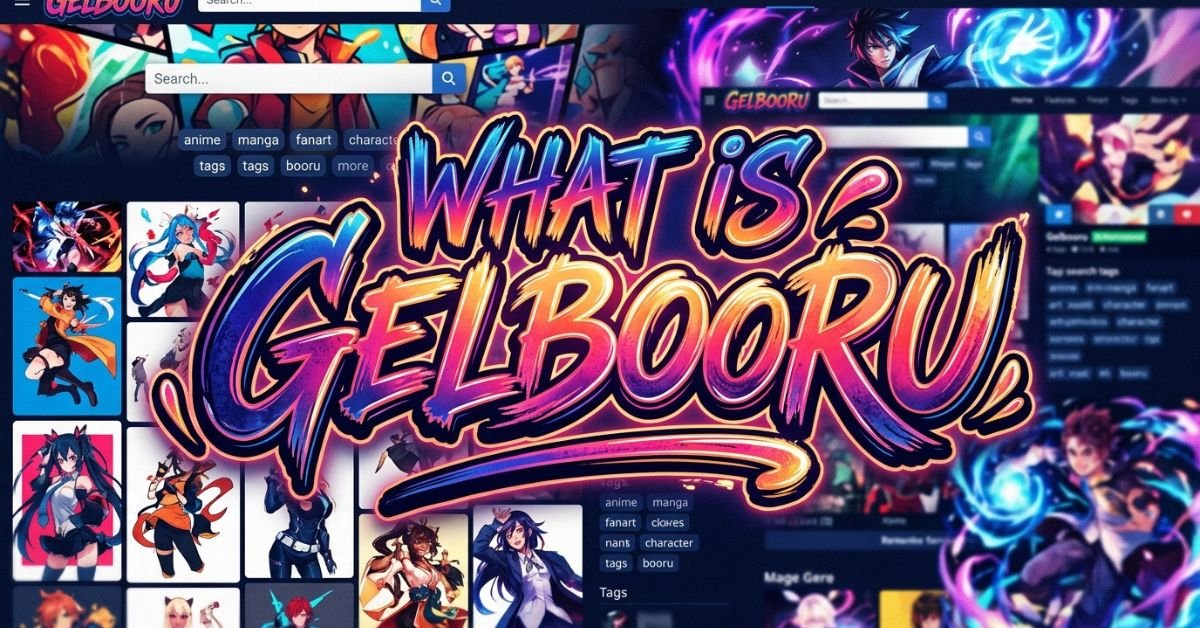
What Is Gelbooru? A Beginner’s Guide
The internet is filled with platforms that allow users to share images, artwork, and digital media. Among these platforms, Gelbooru has become a well-known name in online imageboard communities. Many people discover the site while searching for anime artwork, fan art, manga-related content, or digitally tagged images. However, beginners often find Gelbooru confusing because of its unusual layout, tagging system, and massive image database. Understanding how the platform works can help users navigate it more effectively and safely.
Gelbooru is essentially an image-hosting and indexing platform that organizes pictures using tags. Unlike social media websites where posts are displayed in a timeline format, Gelbooru focuses on searchable content. Every uploaded image is categorized with descriptive tags that make it easier for users to locate specific characters, themes, art styles, or creators. This system has made the platform popular among anime fans, artists, and online communities interested in visual content.
The website belongs to a larger family of “booru” imageboards. The term “booru” comes from the Japanese pronunciation of the word “board.” Over time, booru-style websites became widely recognized for their ability to organize huge collections of images using community-generated tags. Gelbooru is one of the best-known examples of this type of platform.
The Origins of Gelbooru
Gelbooru was created during the growth of anime imageboards and fan art communities online. As anime fandom expanded, users needed a better way to organize and search images. Unlike traditional forums that relied on folders and categories, Gelbooru introduced a tag-based system that made finding specific images much easier.
Users could search for anime characters, art styles, colors, or themes simply by using tags. This efficient search system quickly made Gelbooru popular among anime fans. Over time, the platform grew into a massive image archive with millions of uploads contributed and organized by the community.
How Gelbooru Works
At first glance, Gelbooru may appear outdated or difficult to understand, especially for new users. The homepage is usually simple and heavily text-based. However, the real strength of the platform lies in its search engine and tagging system.
Every image uploaded to Gelbooru includes multiple tags. These tags describe important details about the image, such as:
- Character names
- Anime or game titles
- Artist names
- Hair color
- Clothing style
- Background elements
- Art medium
- Themes or moods
When users search using these tags, the system filters the database to show matching results. The more precise the tags, the more accurate the search becomes.
For example, if someone searches for a character along with a specific art style, Gelbooru can instantly display matching images from thousands or even millions of files. This advanced filtering system is one of the reasons why experienced users prefer booru-style websites over traditional image galleries.
Another important feature is the rating system. Images may be categorized according to their content level. This allows users to filter what they want to see. Because some uploaded material may contain mature themes, users should understand the site’s filtering tools before browsing extensively.
Why Gelbooru Became Popular
Gelbooru became popular because of its fast and efficient search system. Unlike social media platforms that rely on trends or algorithms, Gelbooru focuses on searchable image archives, making it easier for users to find specific content.
Anime and gaming communities especially value the platform because its detailed tagging system helps organize fan art, illustrations, screenshots, and other media effectively. Over the years, millions of images have been uploaded, creating a huge collection for fans and artists.
The platform is also community-driven, with users helping by adding tags, identifying artists, and improving search accuracy, which keeps the database well organized.
Understanding the Tagging System
The tagging system is the heart of Gelbooru. Beginners often underestimate how powerful it is until they start using advanced searches.
Tags work like labels attached to each image. Instead of placing images into only one category, Gelbooru allows multiple descriptive labels. This means a single image can appear in many different searches.
For instance, an image featuring a blue-haired anime character in a school uniform at sunset could contain tags for:
- The character’s name
- Hair color
- Clothing type
- Time of day
- Anime series
- Artist name
This layered organization creates extremely flexible search options.
Users can also combine tags together. Searching multiple tags at once narrows results significantly. Someone could search for a specific character along with a particular emotion, outfit, or artistic style.
Experienced users often rely on advanced tag combinations to locate very specific images within seconds.
Is Gelbooru Safe to Use?
Safety is one of the biggest concerns beginners have when learning about Gelbooru. The answer depends largely on how the platform is used and whether proper filters are enabled.
Since Gelbooru is community-driven, uploaded content can vary widely. Some material may be suitable for general audiences, while other content may contain explicit or mature themes. Because of this, users should be cautious and understand the website’s rating filters.
Parents should also know that the platform is not primarily designed for children. Younger users may accidentally encounter inappropriate material if filters are disabled or searches are too broad.
Another consideration is online privacy. Like many websites, Gelbooru may collect standard browsing data and use cookies. Users should practice general internet safety habits, including avoiding suspicious downloads or untrusted links.
For beginners, using content filters and browsing responsibly is highly recommended.
The Role of Artists and Copyright
Gelbooru has faced discussions regarding copyright and artist permissions over the years. Because users upload content from various sources, not all artwork originates directly from the artists themselves.
Some creators appreciate the exposure their artwork receives on large archive sites, while others dislike unauthorized reposting. This debate is common across many online image-sharing communities.
Many artists prefer that viewers visit their original profiles instead of reposted archives. As a result, some users use Gelbooru mainly as a discovery tool and then follow artists through official platforms like portfolios or social media accounts.
Respecting artist credit is considered an important part of responsible usage within digital art communities.
Tips for Beginners Using Gelbooru
For first-time users, the platform can feel overwhelming. Learning a few basics can make the experience much easier.
The best approach is to start with simple searches and gradually experiment with tags. Observing how images are labeled helps users understand the tagging system more quickly.
Creating an account can also improve the browsing experience because registered users often gain access to customization features, saved searches, and filter settings.
It is equally important to avoid clicking unknown advertisements or suspicious external links. Since imageboard websites sometimes display third-party ads, users should browse carefully and use reliable security software.
Most importantly, beginners should remember that Gelbooru functions more like a searchable archive than a social network. The goal is efficient image discovery rather than personal interaction.
The Influence of Gelbooru on Internet Culture
Over the years, Gelbooru has influenced online fandom culture in several ways. The tagging systems developed by booru websites inspired organizational methods used across many other digital platforms.
The idea of detailed user-generated tags later became common in social media hashtags, searchable archives, and content categorization systems. Booru-style indexing demonstrated how communities could collaboratively organize enormous collections of media.
Gelbooru also contributed to preserving internet art history. Many older anime illustrations, fan creations, and digital artworks remain accessible because users archived them over time. Without such platforms, much online artwork might have disappeared entirely.
For anime and gaming communities, Gelbooru became more than just a website. It evolved into a cultural archive representing years of internet creativity and fandom participation.
Conclusion
Gelbooru is an imageboard platform that uses a powerful tagging system to organize and search visual content. It is popular among anime fans and artists because it offers quick access to a huge collection of artwork and media.
Although the site may seem confusing at first, it becomes easy to use once users understand the tagging system. Overall, Gelbooru plays an important role in online image-sharing and anime community culture.